The Power of Kindness (Part 1 of 5)
2 November 2021

“Three things in human life are important. The first is to be kind. The second is to be kind. And the third is to be kind.” – Henry James
Can you remember the last time somebody was kind to you? Or when you were kind to someone else? Do you remember their reaction?
Kindness leaves a lasting impression on both the user and the experiencer.
Kindness isn’t one of those things we think about every day. And rarely do we think about it having profound effect on the world around us. Kindness is in fact, often underrated and disregarded. This is in part because people who are kind are often viewed as “enablers” or “suckers” by the cynical.
In this fast-paced world, kindness and compassion take a back seat. Selfies, self-interest and interacting through the online world only keeps us from being kind.
Many people today are so absorbed in their own life that they often forget how powerful being kind to others can be. Most don’t expect others to go out of their way and do something for them and not expect any reward or recognition in return.
Kindness is one of the essentials to our existence. From birth we are nurtured in kindness. Therefore, kindness is a part of our DNA.
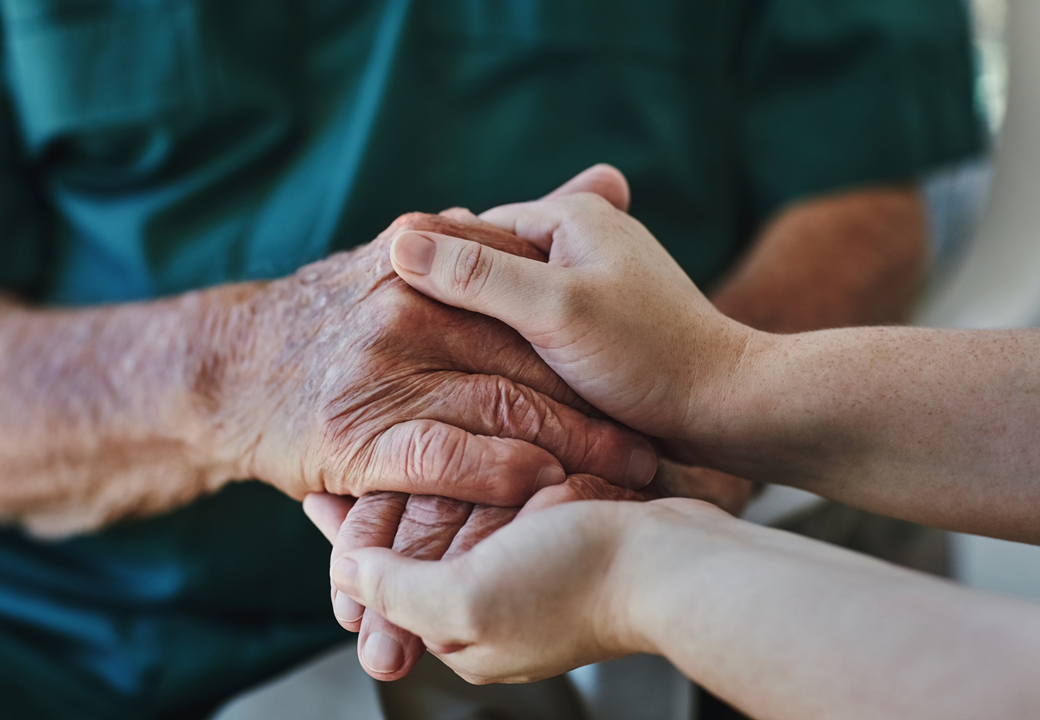
What is kindness, anyway?
“Kindness means a behavioral response of compassion and actions that are selfless; or a mindset that places compassion for others before one’s own interests.” – from Psychology Today
Kindness is the ways both big and small, that we express compassion, concern, consideration and care for ourselves and others. Kindness transcends race, religion, social class and language barriers.
Being kind has a big impact on the world around us and on ourselves in ways that most don’t realize. It has many benefits including increasing our happiness and helping us have a healthy heart.
You probably don’t realize you’re performing many kindnesses every day. Simple things like smiling and greeting others in a friendly way, complimenting someone about their hair, clothes, laugh or something they do are acts of kindness.
Helping someone in some way, opening a door or saying thank you, please or excuse me are kind acts. It shows kindness when you don’t gossip, find fault in others or make negative judgements either.

Kindness has several common characteristics we all have or can develop including compassion, honesty, trust, patience, humility, empathy and forgiveness. Use each of these daily to spread kindness.
Start doing random acts of kindness. Here are seven examples to get you started.
1. Set up a gratitude corner in your office or classroom. Participants can post messages about the kind things someone did for them over the week. At the end of the week talk about the messages together as a group.
2. Buy coffee for the person behind you in line. They won’t be expecting it and it’ll bring a big smile to their morning.
3. Begin keeping a gratitude journal. You can use a paper and pen or use an app like Bliss. Gratitude is linked to well-being and better health.
4. Pick up trash around your community.
5. Pay for someone else’s entry into a national park.
6. Create a free library for people to borrow books to read. Give away books to kids in need. Or spend time reading to kids at day cares, hospitals or homeless shelters.
7. Spend time with elderly in nursing homes, hospitals or in your neighborhood if permitted. Read to them, visit and really listen to their stories. Bring them small gifts like handmade lap quilts, baked goods or something that they are interested in.
8. Let somebody have the better parking space or give up your seat to someone.
9. Hold the door open for someone.
10. Volunteer at a soup kitchen, animal shelter or women’s shelter.
No matter how small or how big an act of kindness you perform, it will change someone’s life in some way. Find a way to be kind every day. You never know who is watching.