Master the Art of Saying No Without Losing Friendships
20 August 2024

Many of us struggle with saying no to friends. After all, who doesn't want to assist a friend in need? Yet, there are inevitable moments when you simply must decline a friend's request for help. Perhaps your schedule is already packed, or maybe the favor makes you uncomfortable.
Saying no to a friend can feel awkward. Nobody wants to put a friendship at risk. However, you might be surprised to learn that it's not as difficult as it seems to decline and still maintain your friendship.
Here are five examples of when it's okay to say no to a friend:
When you're too busy: If you have too much to do, it's okay to say no.
When it feels wrong: If your friend asks you to do something bad or uncomfortable, you can say no.
When you need rest: If you're tired or need some time alone, it's fine to say no.
When you don't have money: If a friend wants you to spend money that you don't have, you can say no.
When you don't want to: If you really don't feel like doing something, it's okay to say no.

A Story About Joan and Marcy
To give you an idea of a situation that could happen in real life, here is a fictional story about a lady named Joan saying "no" to a good friend named Marcy when she just wouldn't get emotional help when she became so stressed she could no longer work her day job:
Joan: "Marcy, I need to be honest with you. We've been friends for years, and I've seen you go through so much. However, this time, things feel different. You're overwhelmed and unable to function at the level you used to, and it's become clear that you can't just power through it alone. I know you're hesitant about seeking help, and you've made it clear you don't want to talk to a professional, but I'm really concerned about you. It's heartbreaking to see you struggle like this when there's support available that could make a difference.
I understand that you're worried about the stigma or perhaps feel that talking to a therapist signifies weakness, but that's so far from the truth. Seeking help is a sign of strength and self-awareness. You deserve to be happy and healthy, and sometimes that means accepting that we can't do everything on our own. As much as I want to help you myself, I can only do so much as a friend. Professional resources exist for a reason, and they can provide you with tools and strategies that we, as your friends and family, are not equipped to offer.
Please, Marcy, consider this my plea to you as someone who genuinely cares about your well-being. You need and deserve more support than what you're currently allowing yourself. It's hard to say no to you when you lean on us so heavily, but it's because I care about you that I insist you take this crucial step. The longer you wait, the harder it will be to overcome the situation. Professional help is not a sign of failure; it's a step towards reclaiming your life and your happiness.
Remember, I'm here every step of the way. Whether it's driving you to that first appointment or just being a listening ear afterward, you won't be alone in this journey. But you have to take that first step to help yourself. I hope you understand and see this as an act of love and concern rather than anything else. Your well-being matters to me deeply, and it's about time we both acknowledge that you need more support than what I, or any of us, can provide alone."

Just remember in instances like Joan is with Marcy you need to follow some principles in order to make yourself clear without damaging the relationship. Use the following as a guide:
Follow these principles and you can say "no" without damaging your friendship:
Make sure you didn't misunderstand. Misunderstandings happen frequently. Maybe you didn't quite hear what you thought you did. Get clarification before you give a definitive yes or no. Sometimes, you might find that after understanding the request clearly, you actually can say yes.
Separate the issue from the person. Once you have a clear grasp of the request and decide not to get involved, remember that your friendship is separate from this particular issue. Ensure they understand that it's the situation or your own circumstances that prevent you from saying yes, not a reflection on them as a person.
Keep the focus on yourself, not your friend. It's unhelpful to say things like, "I can't lend you money because everyone knows you'll never pay it back." Instead, let them know you care and then explain why you can't assist. For instance, you could say you have a policy of never loaning money because it has ruined friendships in the past.
Be firm and clear in your "no." Many of us offer weak, ambiguous responses that give false hope. Avoid this by delivering a firm and straightforward "no." A clear refusal resolves the issue quickly, like pulling off a Band-Aid with one swift motion.
Identify the underlying need. If you can discern the real need behind the request, you might help your friend find another solution. Often, someone in need struggles to think of alternatives. You could help by brainstorming other options in which you're not directly involved.
Find another way to help. Perhaps you can assist with the current issue but in a smaller capacity. Offer other suggestions or help with a different need where you're happy to contribute. One key to keeping the friendship intact is ensuring they leave with something from you, even if it's just advice or empathy.
If your friend feels worse after approaching you, the friendship may suffer. How we feel about others is largely influenced by how they make us feel. Strive to bolster your friend's feelings without compromising your own boundaries.
It's never easy to say no to a friend, but sometimes it's the only way to preserve the relationship. If helping out is too costly for you, you might end up feeling resentful, which can ruin the friendship altogether.
Take care of yourself and say no when needed. Support your friends in alternative ways if you can't comply with their request. Display empathy and offer other forms of help. By doing so, your friendship should remain resilient. While it can be an awkward situation, sometimes saying no is the best option.
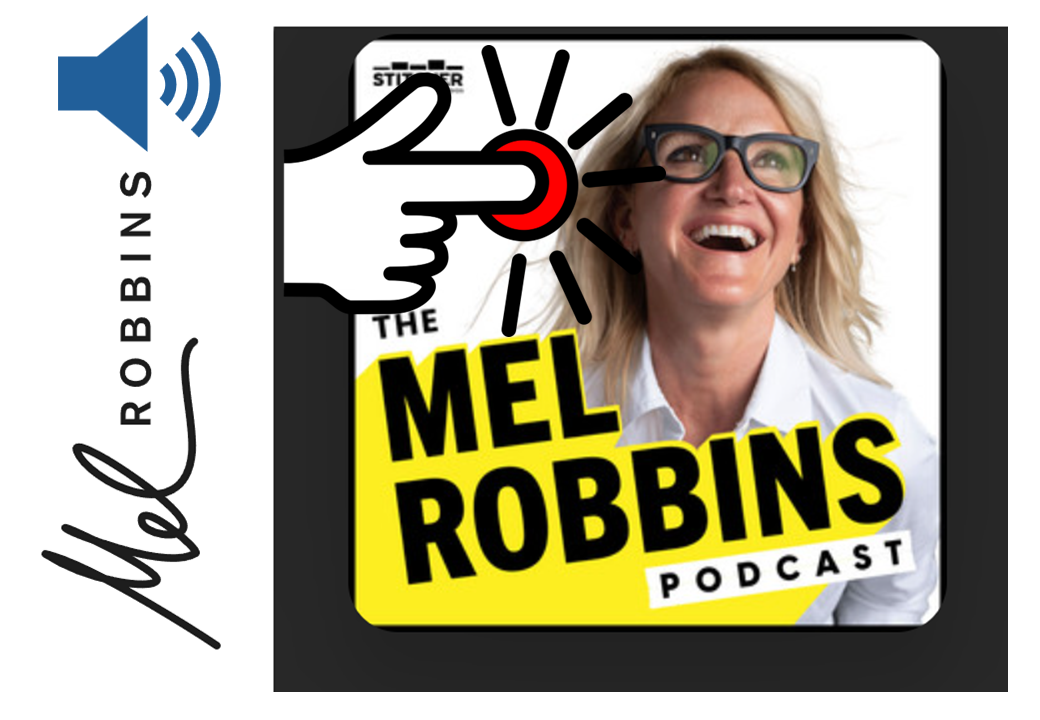
Start Putting Yourself First: Learn to Say No Without Guilt or Drama – with Mel Robbins
You can also find more from Mel Robbins on the GrowthDay App >>> HERE