The Positive Side of Emotional Vulnerability
29 November 2022
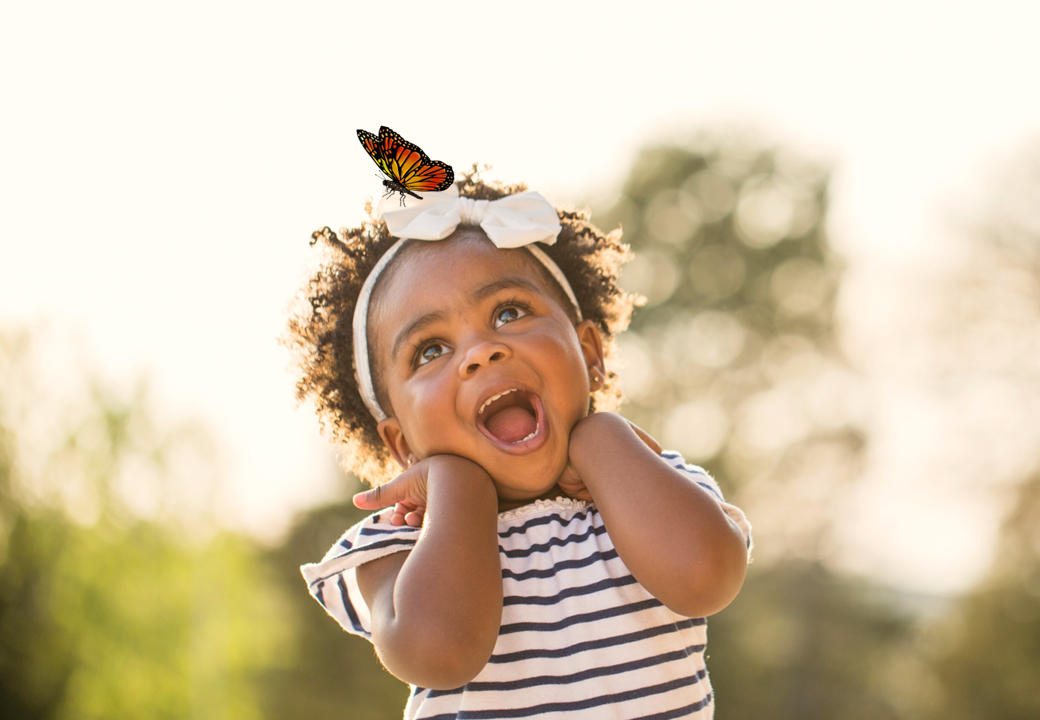
Being human comes with many characteristics. One of these characteristics includes being vulnerable especially when it comes to our emotions. Emotional vulnerability is often associated with negative connotations, such as feelings of shame, terror, or uncertainty. However, emotional vulnerability is much more complex than these basic associations. In fact, there are many positives also associated with being emotionally vulnerable.
What is vulnerability? What are some characteristics of a vulnerable person?
A basic definition of vulnerability is being in a state where you’re more susceptible to attack or harm. For example, if your home is described as “vulnerable to burglars,” you may consider upgrading your security system or installing better locks on your doors. However, emotional vulnerability–and being a vulnerable human being–takes this basic definition a step further.
A more complex definition of vulnerability gives a better understanding of what it means to be a vulnerable person. While being vulnerable does mean letting your guard down, it’s often associated with a lot of positive aspects. When someone is a vulnerable person, they’re:
● Able to live their lives as their true and honest self
● More empathetic toward other people
● Emotionally healthy and well-equipped to process emotions
● Courageous and willing to express themselves
● Able to form good, strong relationships with other people
Because the vulnerable person is open and honest about who they are, how they feel, and what they need, they’re typically in tune with their own emotions as well as the emotions of others. A vulnerable person understands that being open about themselves is a great way to make sure they’re understood by others.
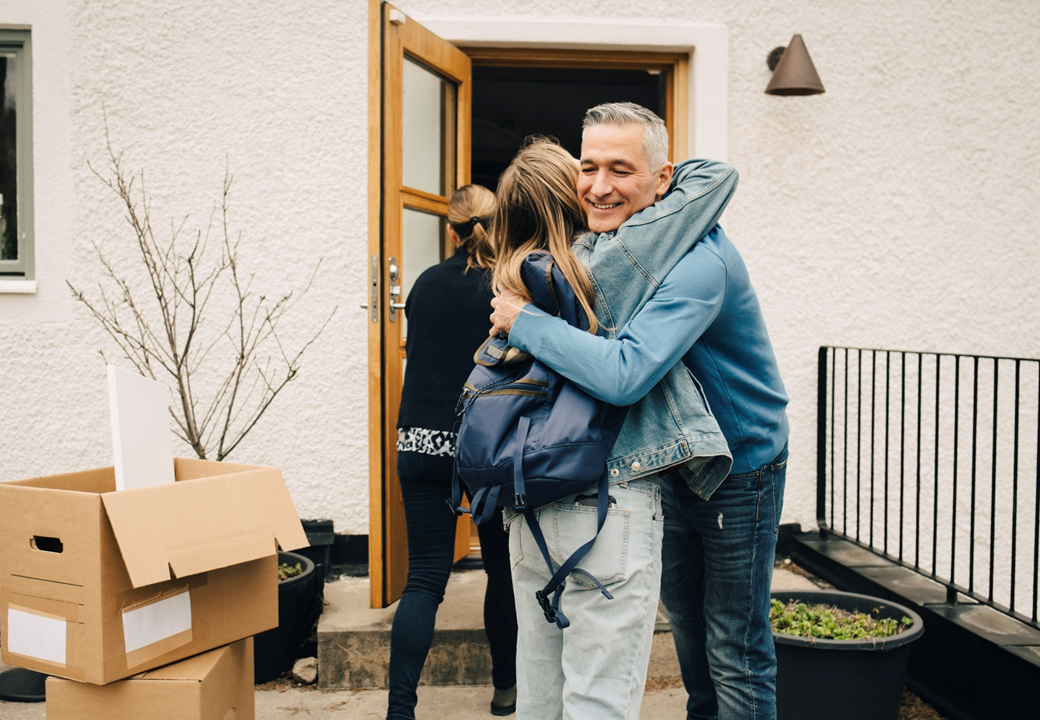
Why is vulnerability useful?
Vulnerability is an excellent way to ensure other people understand you and your needs thoroughly. Rather than hiding emotions or not expressing themselves, a vulnerable person allows themselves to be open about how they’re feeling–they realise that this kind of sharing is often a “give and take” transaction with other people.
When you choose to be vulnerable, you’re not only sharing yourself with another person–you’re also inviting that person to join the space you’re creating to share themselves as well. For example, have you ever had a personal conversation with a friend about something troubling you only to find out they’ve experienced an identical dilemma? In this sense, being vulnerable and sharing your troubles allowed you to relate with that person in a meaningful way because they also felt welcomed to share.
Being vulnerable also helps you develop an appreciation for yourself. Every time you’re choosing vulnerability, it reaffirms to yourself who you truly are. Often, people feel pressured to hide or dampen part of their personalities; being vulnerable removes this pressure to hide.
You’ll discover that, as you become more and more vulnerable, you’ll feel less inclined to alter your behavior or try to hide facets of who you are. Instead, you’ll feel more compelled to share because you accept yourself for who you are.
How can you become a more vulnerable person?
Vulnerability takes practice. Because it involves being very open and honest with others (something that makes many folks feel uncomfortable), you may need to try vulnerability-enhancing techniques in baby steps to build your confidence and comfort with being a vulnerable person.
Each person is different and will approach being vulnerable differently. To get started, consider the following techniques for developing a deeper sense of vulnerability:
● Take time to define vulnerability for yourself. Since everyone approaches it differently, take a moment to figure out what it means for you to be a vulnerable person.
● Also take time to understand yourself. Explore your emotions as they happen to you. Ask yourself questions. Revisit your goals, dreams, and aspirations.
● Take opportunities to step outside of your comfort zone when you can.
● Be open and honest in baby steps–for example, tell your friends and family how you feel about them, speak up when something bothers you, and accept compliments.
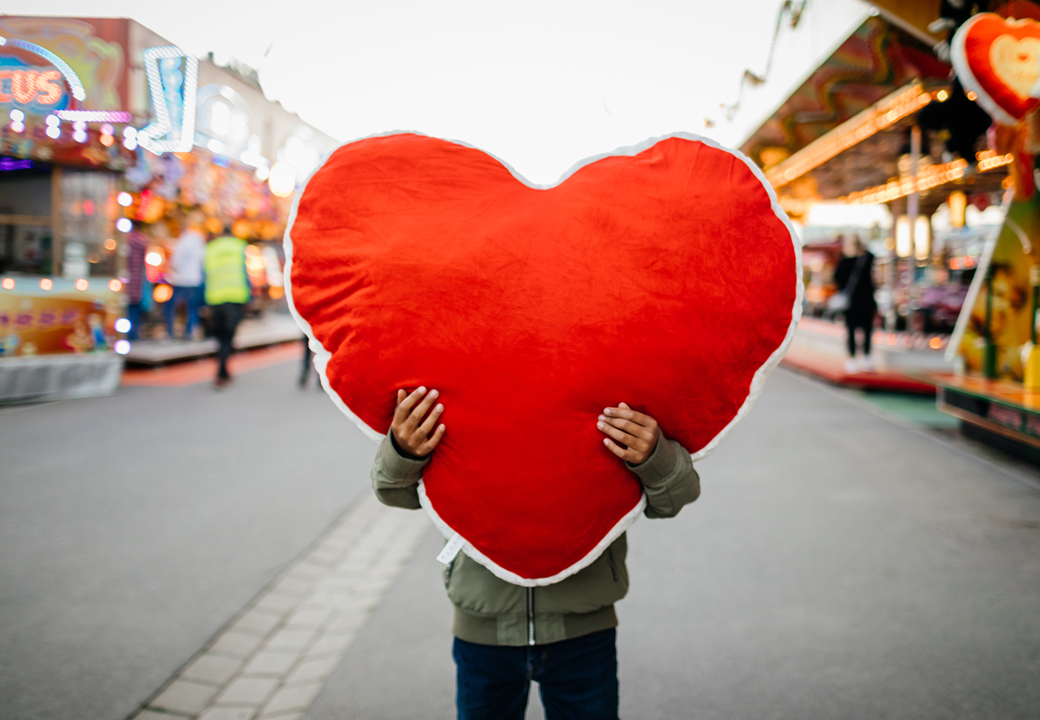
Vulnerability Makes Me Powerful – Affirmation Reflection
Each of us needs to work on our emotions daily. To help empower yourself and become stronger as a person, here is a fantastic affirmation reflection you can read to yourself daily that works on your personal emotional vulnerability.
Vulnerability Makes Me Powerful:
Vulnerability makes me powerful.
I have the courage to be vulnerable. I open up my mind and heart. I reveal my authentic self.
I take my relationships to a deeper level. I let my family and friends know me. I feel understood and validated. We can trust each other and talk about sensitive issues. We resolve conflicts with respect and compassion.
I express my feelings. I acknowledge my resentments and sadness so that I can discover the root causes and make positive changes. My uncomfortable feelings often lose their intensity when I allow them to come to the surface.
I look behind my anger. I know that when I am tempted to blow up, I may be trying to protect my ego or conceal my weaknesses. Instead of giving in to a destructive outburst, I channel my energies into more constructive responses.
I take worthwhile risks. It is okay if I fall because I can learn from each experience. I can survive looking silly. I would rather stumble than give up trying.
I reach out for support and encouragement. I have faith in others. We accomplish more when we join forces. When I am honest with myself, I can be more transparent with others. I run into fewer misunderstandings.
I give others the opportunity to be vulnerable too. When I let down my defenses, I invite others to do the same. We both feel more valued and secure.
Today, I show myself for who I am. My vulnerability empowers me and brings more joy and love into my life.
Self-Reflection Questions:
1. What is the difference between vulnerability and weakness?
2. How does love make me vulnerable?
3. Why is vulnerability my natural state?