Know When to Get Help With Your Mental Health
27 September 2022

Mental health is how we think, feel and act as we cope with life. It helps determine how we manage stress, relate to others, and make choices. Like physical health, mental health is important at every stage of life. To help ourselves and others with mental health, we need to look at how to recognise it and then what to do if there are signs of poor mental health.
Signs of Mental Health at Risk
Some people can get so depressed or problematic that they even reach a point where they question their own sanity. Many people wonder if they have really “gone over the edge.”

How about you? Try to answer these questions:
1. Do you have feelings of sadness or irritability?
2. Has there been a loss of interest in pleasurable activities that you once enjoyed?
3. Have you noticed any weight loss or change in your appetite?
4. Have you noticed changes in your sleeping pattern?
5. Are you feeling guilty?
6. Are you having trouble in concentrating, remembering things, or making decisions?
7. Have you had thoughts of suicide or death?
If you answered “yes” to most of these questions, consider consulting your family physician as your mental health may be at risk.
Mental health, as defined by the ‘Surgeon General's Report’ on Mental Health, “refers to the successful performance of mental function, resulting in productive activities, fulfilling relationships with other people, and the ability to adapt to change and cope with adversity.” On the other end of the flow is mental illness, a term that refers to all “mental disorders.”

Defining Mental Health
Mental disorders are health conditions that are characterised by alterations in thinking, mood, or behaviour associated with distress or impaired functioning. This notion of a continuum sees mental health on one end as “successful mental functioning” compared to mental illness on the other end as “impaired functioning.”
Mental health is how we think, feel, and act as we cope with life. It also helps determine how we handle stress, relate to others, and make choices. Like physical health, mental health is important at every stage of life, from childhood and adolescence through adulthood.
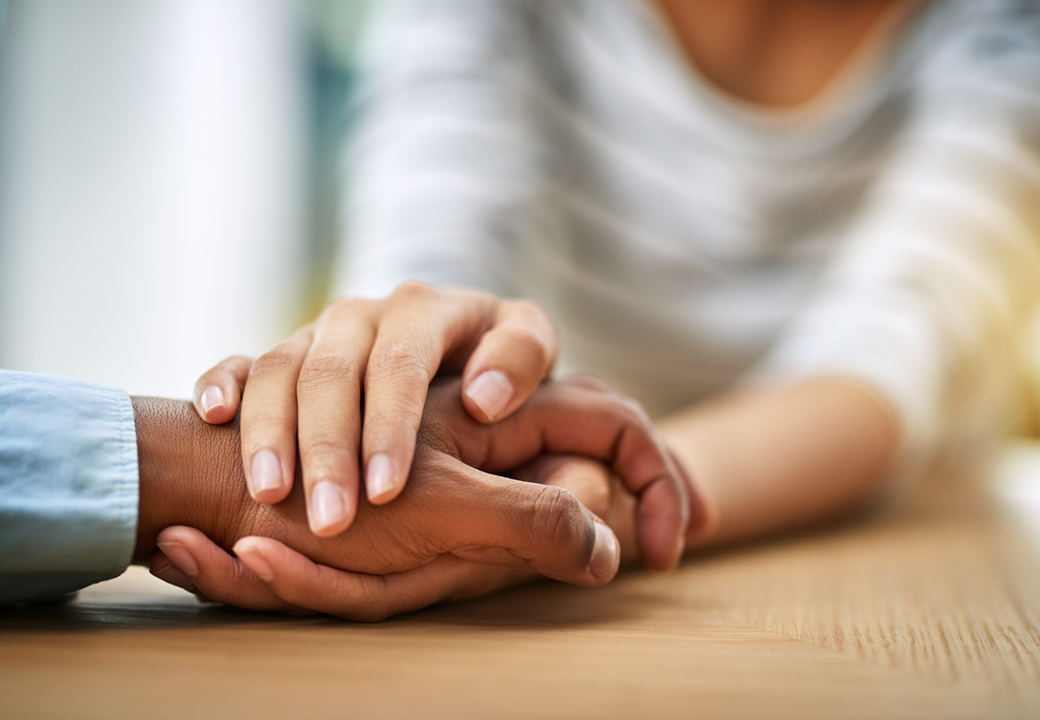
Understanding Mental Illness
Everyone feels worried, anxious, sad, or stressed sometimes. But with a mental illness, these feelings do not go away and are severe enough to interfere with daily life. It can make it hard to meet and keep friends, hold a job, or enjoy life.
Mental illnesses are quite common and in the U.S affect about one in five families. Outside of the U.S the numbers vary depending on the country and the population size. New Zealand as an example of where I reside shows that one in four adults will be affected by mental illness in their lives at some point.
The disorders such as depression, use of excessive amounts of drugs, phobias, bipolar disorder, schizophrenia, and many others are real diseases that one cannot get away from. Fortunately, they are often treatable. Medicines and therapy can improve the life of most people with mental illnesses. But it is more cost-effective to have a physician prescribe mood stabilisers instead of seeing a psychiatrist. However, follow doctor's instructions on counselling and referrals to mental health professionals in your area if and when required.
People who are emotionally and mentally healthy are in control of their thoughts, feelings, and behaviours. They feel good about themselves and have good relationships. They can keep problems in perspective. It is important to remember that people who have good emotional health sometimes have emotional problems or mental illness. Mental illness often has a physical cause, such as a chemical imbalance in the brain. Stress and problems with family, work, or school can sometimes trigger mental illness or make it worse. If you feel that you or someone you care about is at risk, ask for help, it may not be easy at first, but there are ways and steps that may save your own or someone else’s life. So, keep a finger on the pulse when it comes to your mental health or someone else’s.